
We start by understanding your situation: whether you are evaluating a new site or managing an existing orchard, what truffle species you are targeting, your irrigation and amendment history, and any concerns you already have about soil or tree performance.
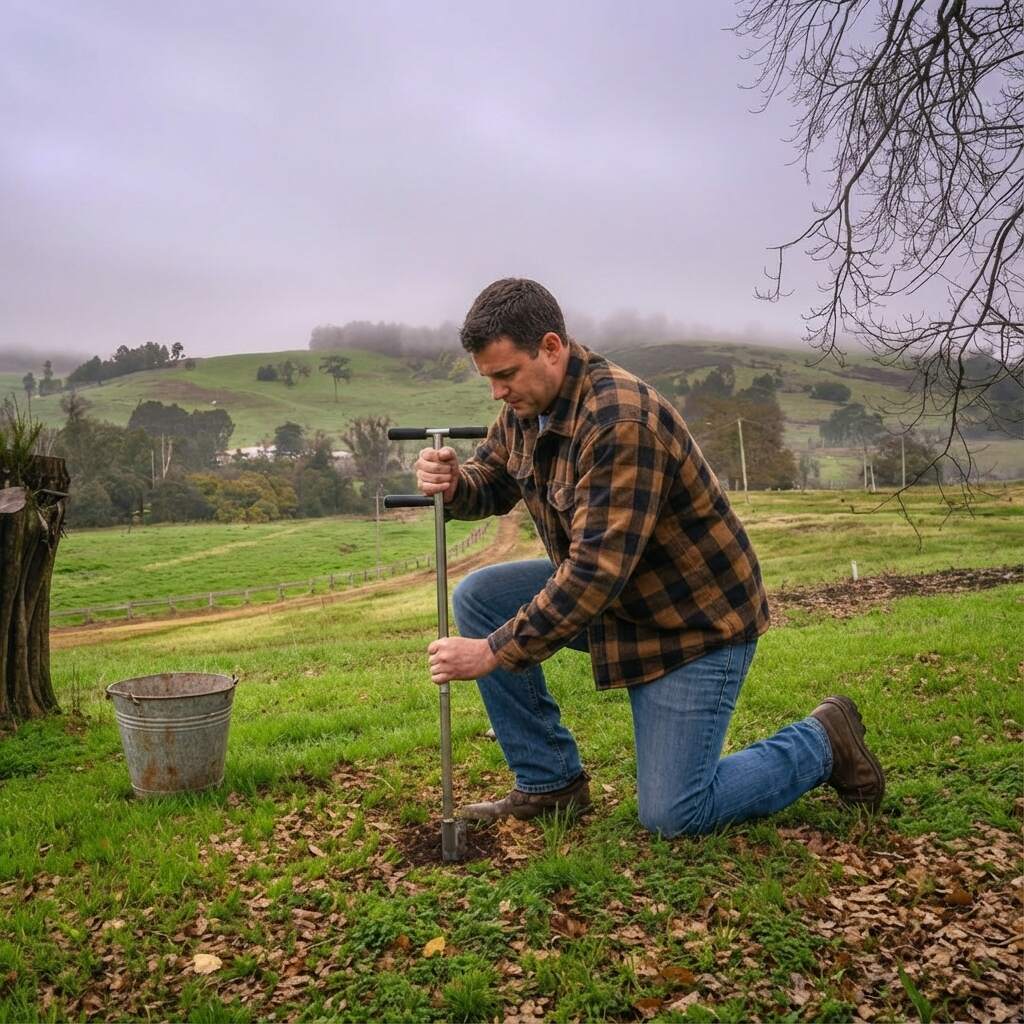
Accurate soil analysis starts with representative sampling. We provide clear, step-by-step guidance and video instructions on how and where to collect soil samples across your orchard or candidate site. This ensures the lab results reflect the true conditions your trees and truffle fungus experience, rather than one convenient corner of the field.

We specify a suite of tests designed around truffle needs, which may include:
- pH (water and/or CaCl₂)
- Active and total calcium carbonate
- Organic matter content
- Major nutrients (N, P, K, Ca, Mg, Na, etc.)
- Trace elements (B, Zn,Al, etc.)
- Texture indicators (sand/silt/clay ratios) and related physical properties
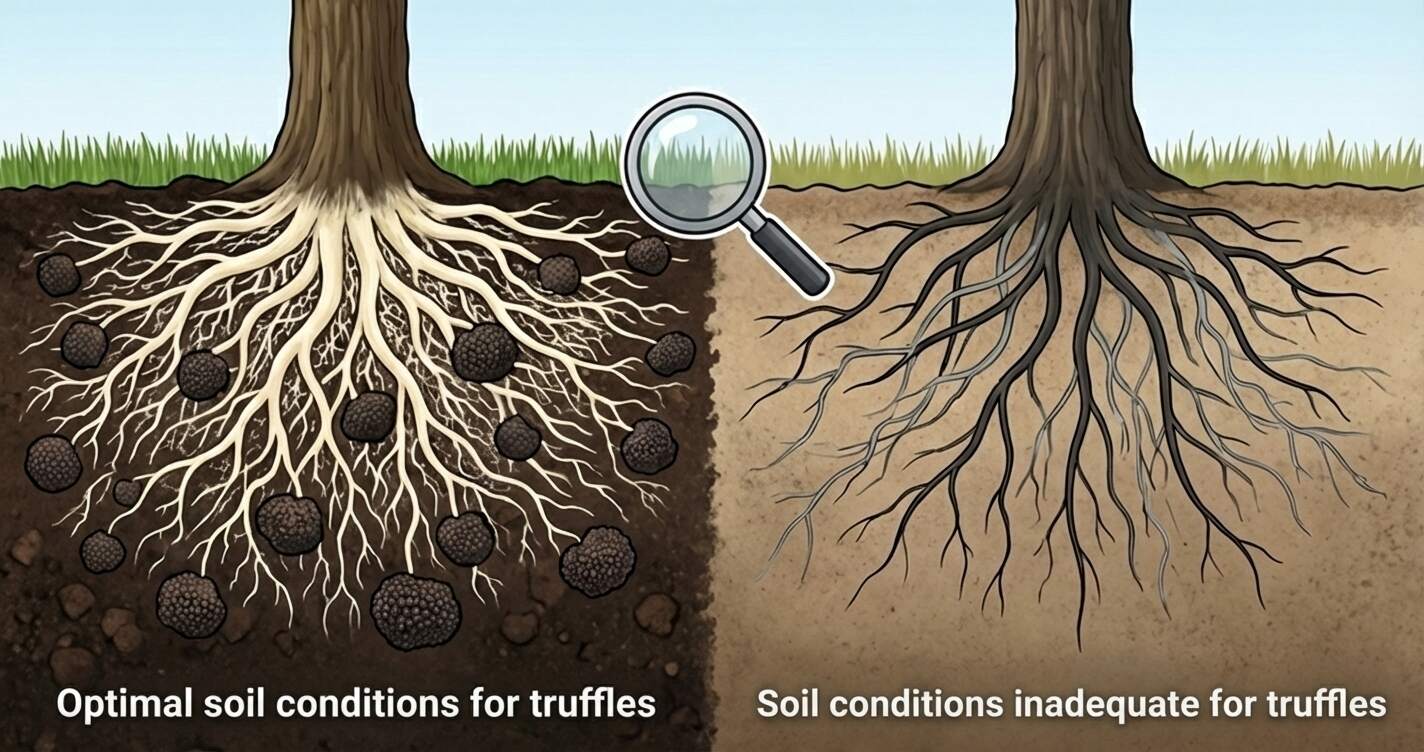
These parameters collectively describe whether your soil is in the right chemical and structural range for truffles—and how it is changing year to year.
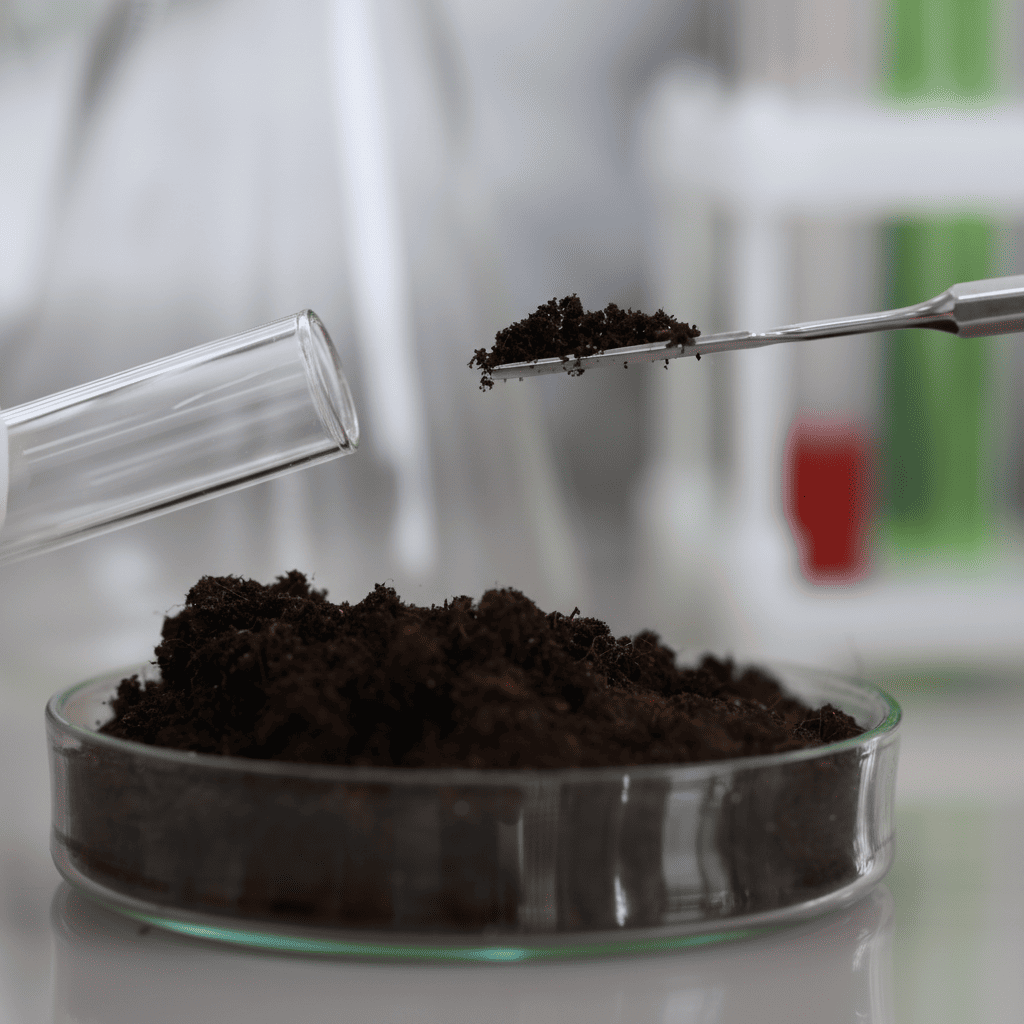
Your samples are sent to a trusted laboratory for analysis. Not every lab in the country tests everything required for truffles. We review lab quality and methods to ensure consistency from year to year, so trends are meaningful and not artifacts of changing protocols.

Raw lab numbers can be confusing or misleading without truffle context. Drawing upon one of the largest truffle scientific databases in the world, plus data from our affiliate truffle orchards in 25+ countries, we interpret your soil results based on:
- The truffle species you are targeting (for example, Périgord black truffle).
- Orchard age and stage (pre-plant, establishment, early production, mature).
- Local climate and irrigation regime.
- Root analysis and orchard performance data, where available.
ATC and our scientific partner MSL have worked extensively with truffle soils across a wide range of climates and regions in North America and across three other continents. That experience allows us to translate soil test results into practical assessments of risk and opportunity in a truffle orchard context.

Each Soil Analysis Service report is decision-oriented, not just a lab printout. Depending on your results, recommendations may address:
- Lime type, rate, and timing to maintain optimal pH and active calcium.
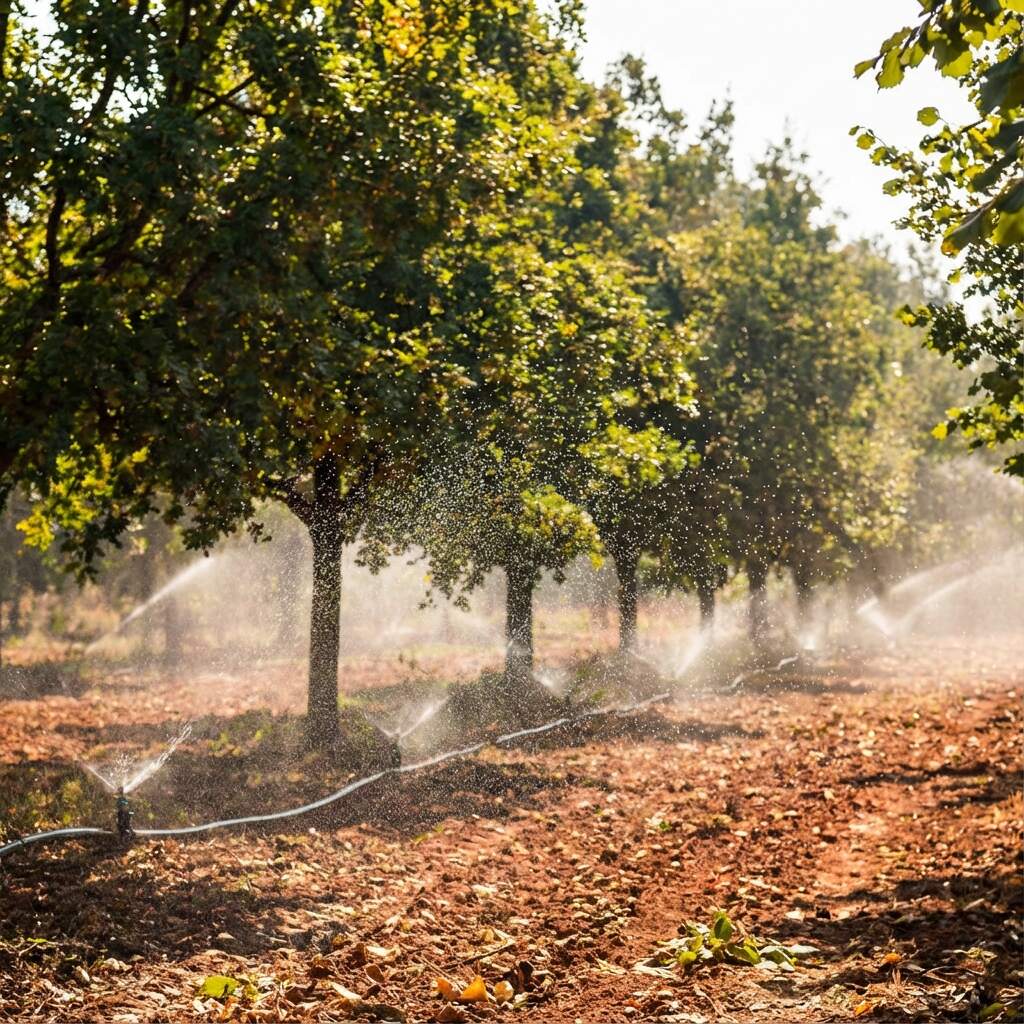
- Irrigation and drainage considerations.
- Whether additional investigation (for example, root analysis) is warranted.
The objective is always the same: maintain a soil environment that supports robust truffle mycorrhiza and truffle production.

You receive a clear written report summarizing:
- Key soil parameters and how they compare with truffle-friendlyvalues.
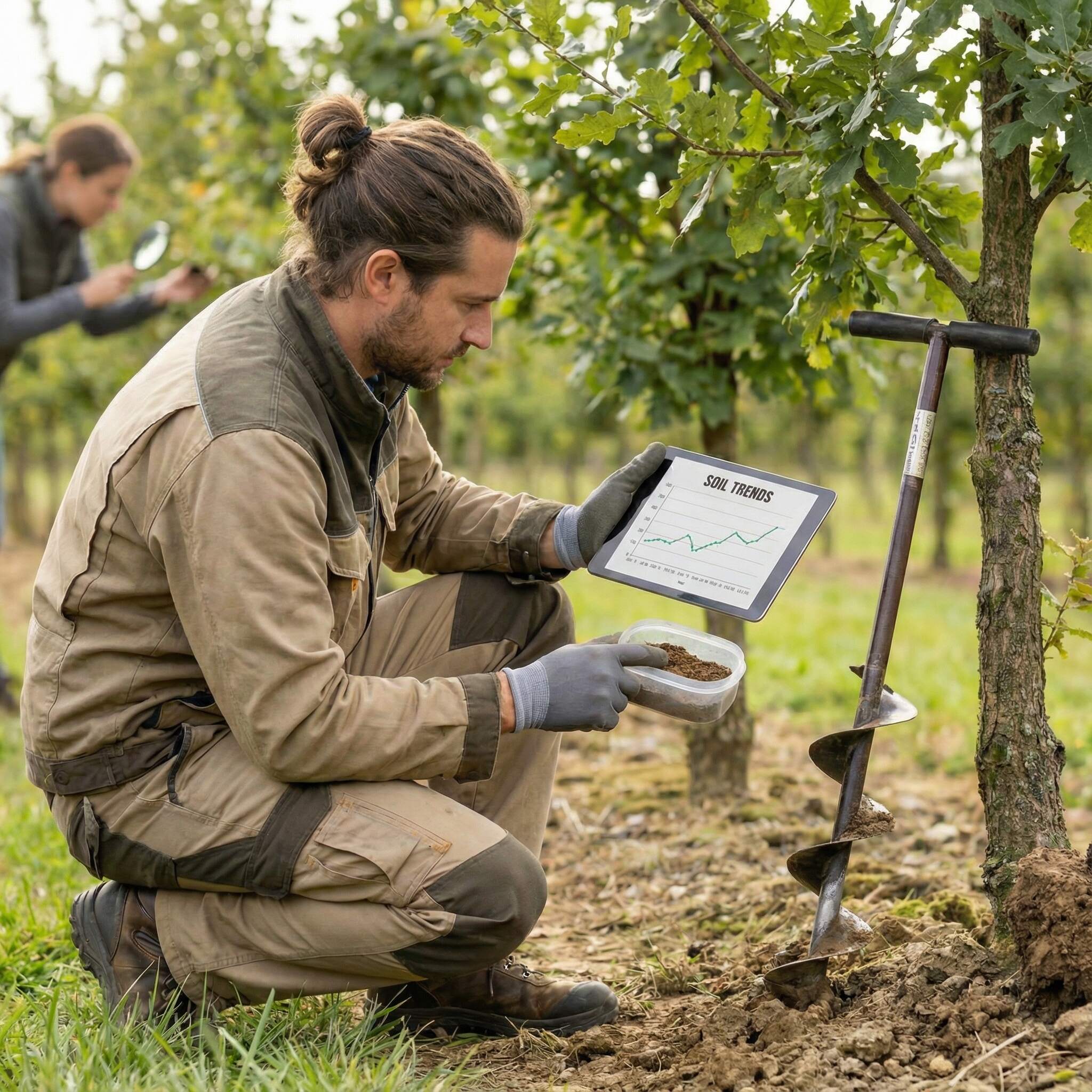
- Changes relative to previous years.
- Specific recommendations and priorities for the coming season.
Where appropriate, we schedule a review call to walk through the findings, answer questions, and integrate soil recommendations with your broader orchard management plan.
With each annual test, you build a soil history for your truffle project. Over time, this becomes a powerful tool for:
- Demonstrating that your soil is staying within the required window.
- Understanding how management choices affect soil health and truffle potential.
- Supporting informed decisions about future investments in amendments, irrigation, or expansion.