Headline for growers here.

Default text content

ATC for growers

ATC truffle tree production, backed by science

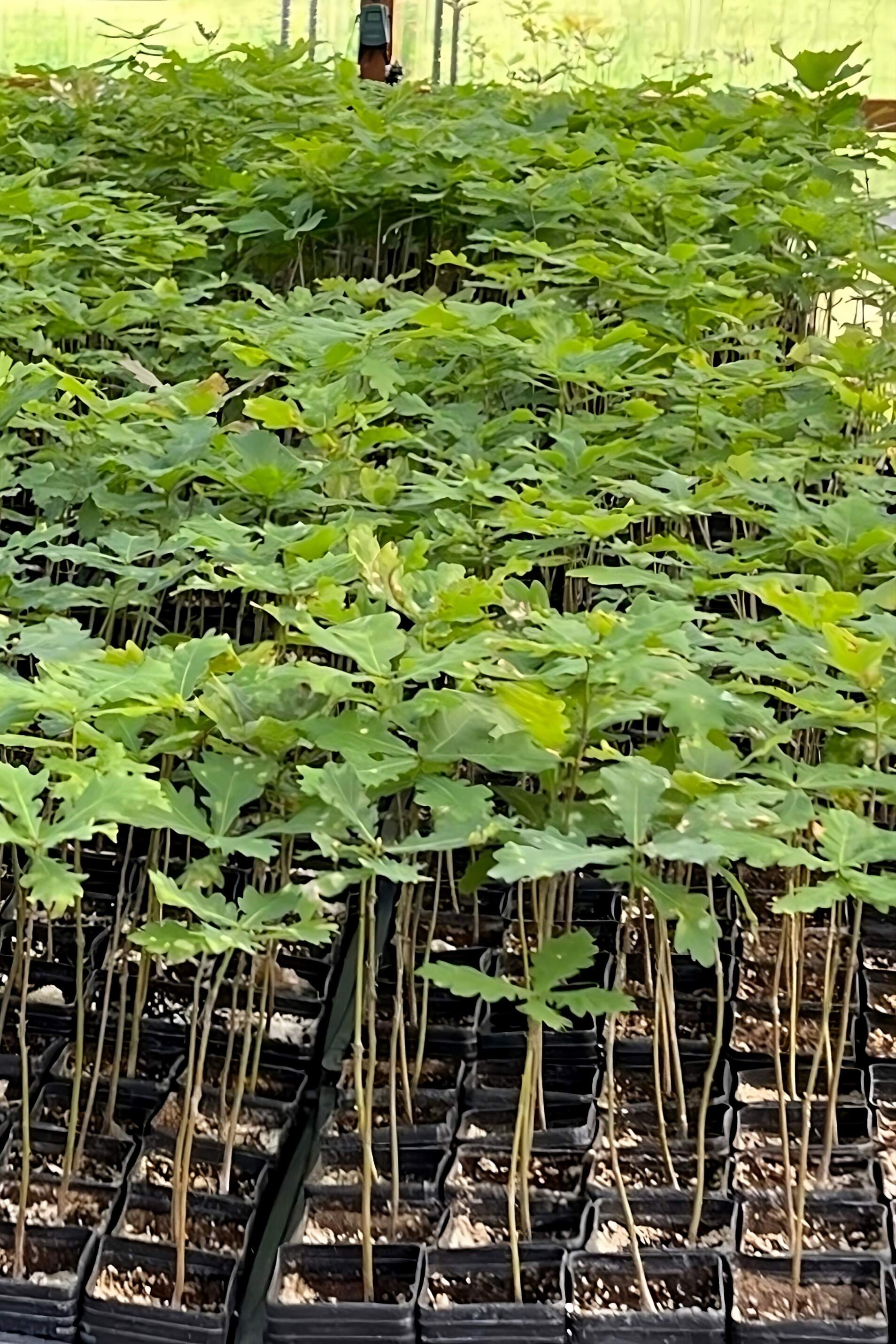
Many nurseries sell truffle-inoculated trees—but quality varies widely. Because our success depends entirely on yours, we control every step from inoculum sourcing to nursery QA. Using rigorous science and technology, we produce trees with high, verified mycorrhization and a proven track record of truffle production, while minimizing risk from common diseases.

How truffle tree production works

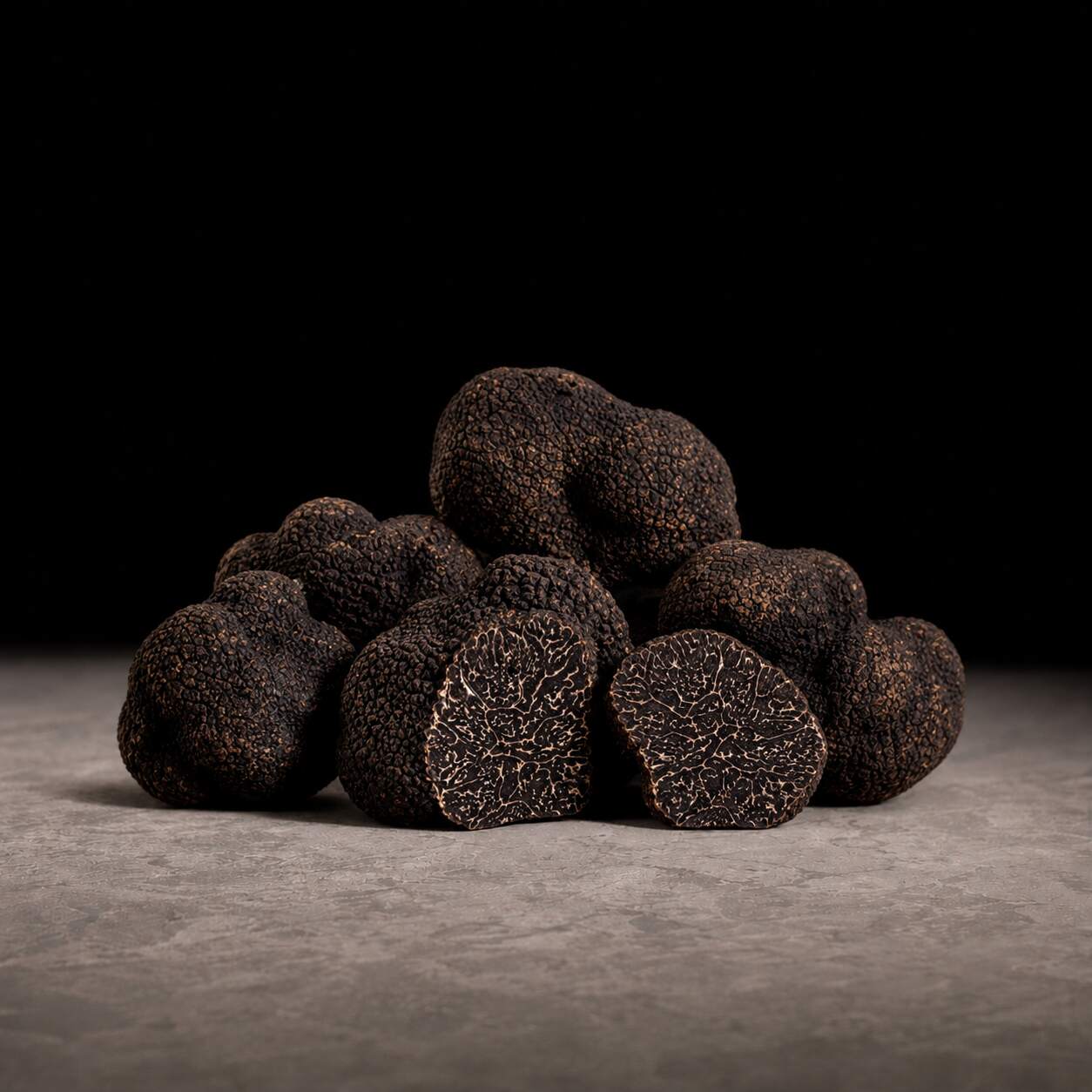
The Périgord black truffle (Tuber melanosporum) produces truffles only after it forms a mycorrhizal symbiosis (a fungus-to-root partnership) with a compatible host tree. While T. melanosporum can associate with several tree species, host choice directly affects yield potential, orchard longevity, and disease risk. But selecting the best host tree is only the first step. How seedlings are inoculated with T. melanosporum and the conditions under which colonization occurs strongly influence mycorrhiza quality—ultimately determining whether a truffle orchard produces truffles at all, and how much truffle it produces.

In short: successful truffle production depends on the right host tree and high-quality, highly-concentrated and well-established truffle mycorrhiza on the roots.

Truffle Trees

Which tree species host Tuber melanosporum?

Common Name Scientific Name Scientific Evidence
European hornbeam Carpinus betulus https://onlinelibrary.wiley.com/doi/10.1111/1462-2920.12741
Common hazel Corylus avellana https://journals.plos.org/plosone/article?id=10.1371/journal.pone.0064626
Asian hazel Corylus heterophylla https://www.actahort.org/books/351/351_31.htm
European hop-hornbeam Ostrya carpinifolia https://www.sciencedirect.com/science/article/abs/pii/S175450481300130X
Aleppo pine Pinus halepensis https://fs.revistas.csic.es/index.php/fs/article/view/835
Austrian pine Pinus nigra https://iforest.sisef.org/contents/?id=ifor1334-007
Sawtooth oak Quercus acutissima https://www.kjmycology.or.kr/wp-content/uploads/2025/02/KJM-5004-03.pdf
Oriental white oak Quercus aliena https://pmc.ncbi.nlm.nih.gov/articles/PMC9096950/
Boissier's oak Quercus boissieri https://www.sciencedirect.com/science/article/pii/S0953756208603536
Turkey oak Quercus cerris https://pubmed.ncbi.nlm.nih.gov/23318650/
Kermes oak Quercus coccifera https://www.sciencedirect.com/science/article/pii/S0953756208603536
Fabre's oak Quercus fabrei https://pubmed.ncbi.nlm.nih.gov/31760479/
Portuguese oak Quercus faginea https://www.sciencedirect.com/science/article/abs/pii/S0378112706003641
Texas live oak (Escarpment) Quercus fusiformis https://link.springer.com/article/10.1007/s42977-023-00189-w
Oregon white oak Quercus garryana https://link.springer.com/article/10.1007/s42977-023-00189-w
Holm oak Quercus ilex https://iforest.sisef.org/abstract/?id=ifor2096-009
Iberian holm oak (ballota) Quercus ilex subsp. ballota https://fs.revistas.csic.es/index.php/fs/article/view/3559
Mount Tabor oak Quercus ithaburensis https://www.sciencedirect.com/science/article/pii/S0953756208603536
Lebanon oak Quercus libani https://www.sciencedirect.com/science/article/pii/S0953756208603536
Long-spike oak Quercus longispica https://pubmed.ncbi.nlm.nih.gov/31760479/
Mongolian oak Quercus mongolica https://pubmed.ncbi.nlm.nih.gov/31760479/
Sessile oak Quercus petraea https://agris.fao.org/search/en/providers/122535/records/65de40f56eef00c2cea01005
Mexican white oak Quercus polymorpha https://link.springer.com/article/10.1007/s42977-023-00189-w
Downy oak Quercus pubescens https://pmc.ncbi.nlm.nih.gov/articles/PMC10176669/
Pyrenean oak Quercus pyrenaica https://www.sciencedirect.com/science/article/pii/S1470160X21010086
Pedunculate oak (English oak) Quercus robur https://pubmed.ncbi.nlm.nih.gov/23318650/
Chinese deciduous oak Quercus senescens https://pubmed.ncbi.nlm.nih.gov/23318650/
Chinese cork oak Quercus variabilis https://pubmed.ncbi.nlm.nih.gov/31760479/
Small-leaved linden (basswood) Tilia cordata https://www.jstor.org/stable/3761397
Large-leaved linden Tilia platyphyllos https://www.sydowia.at/syd59-1/T5-Garcia.htm

Why tree species selection matters

A tree can host the fungus without being an ideal producer. Because your outcomes drive ours, we inoculate only the top species with the most scientifically documented yield performance for T. melanosporum.

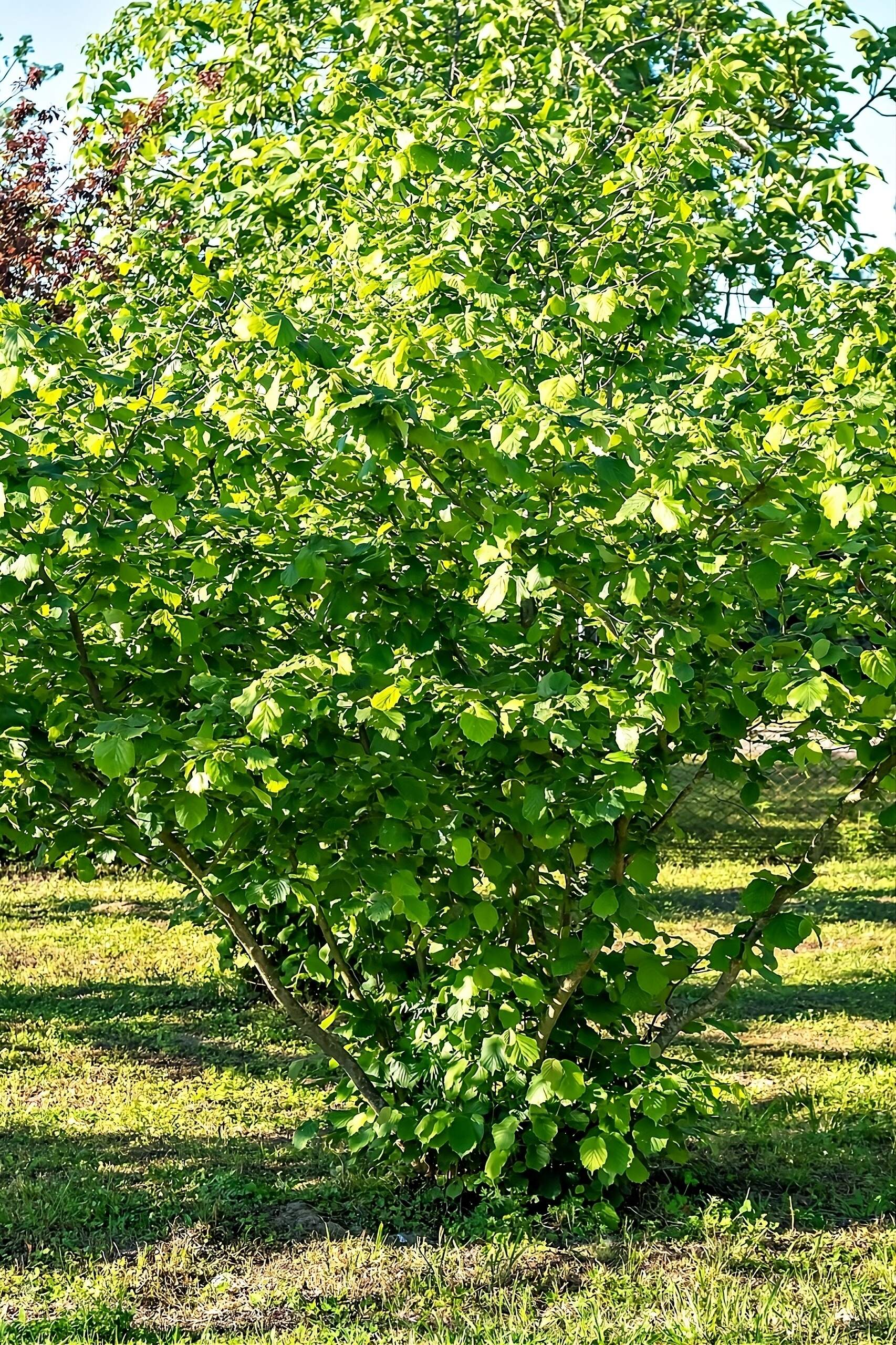
The Trouble with Hazelnut Trees

Hazelnuts (Corylus avellana) are often used as hosts, but they’re highly susceptible to Eastern Filbert Blight (EFB) caused by the fungus Anisogramma anomala. There is no known cure; even with pruning and fungicides, most affected trees die. Some nurseries offer “blight-resistant” cultivars (e.g., Yamhill, McDonald, Wepster, Jefferson). A 2009 publication described Yamhill as “completely resistant,” but resistance isn’t immunity—and new, aggressive EFB strains were reported infecting resistant varieties in 2023.

Think of “resistant” hazelnuts like the first COVID vaccines: they provided strong protection against the original strain, but as the virus mutated, that protection was bypassed. In the same way, EFB can evolve to overcome genetic resistance in hazelnut cultivars—turning “resistant” into vulnerable over time. 

Because resistance can be overcome, ATC has long avoided the common hazelnut (Corylus avellana) as a host. The result: our growers have never been affected by EFB, and never will—a direct outcome of ATC’s science-first risk management and aligned incentives. 

Hazelnut_tree

Why ATC truffle trees are different

We have the unique truffle science & technology that can help you succeed.

We invite you to speak to us to find out more.

Contact us for a consultation and to learn more

  • Growers