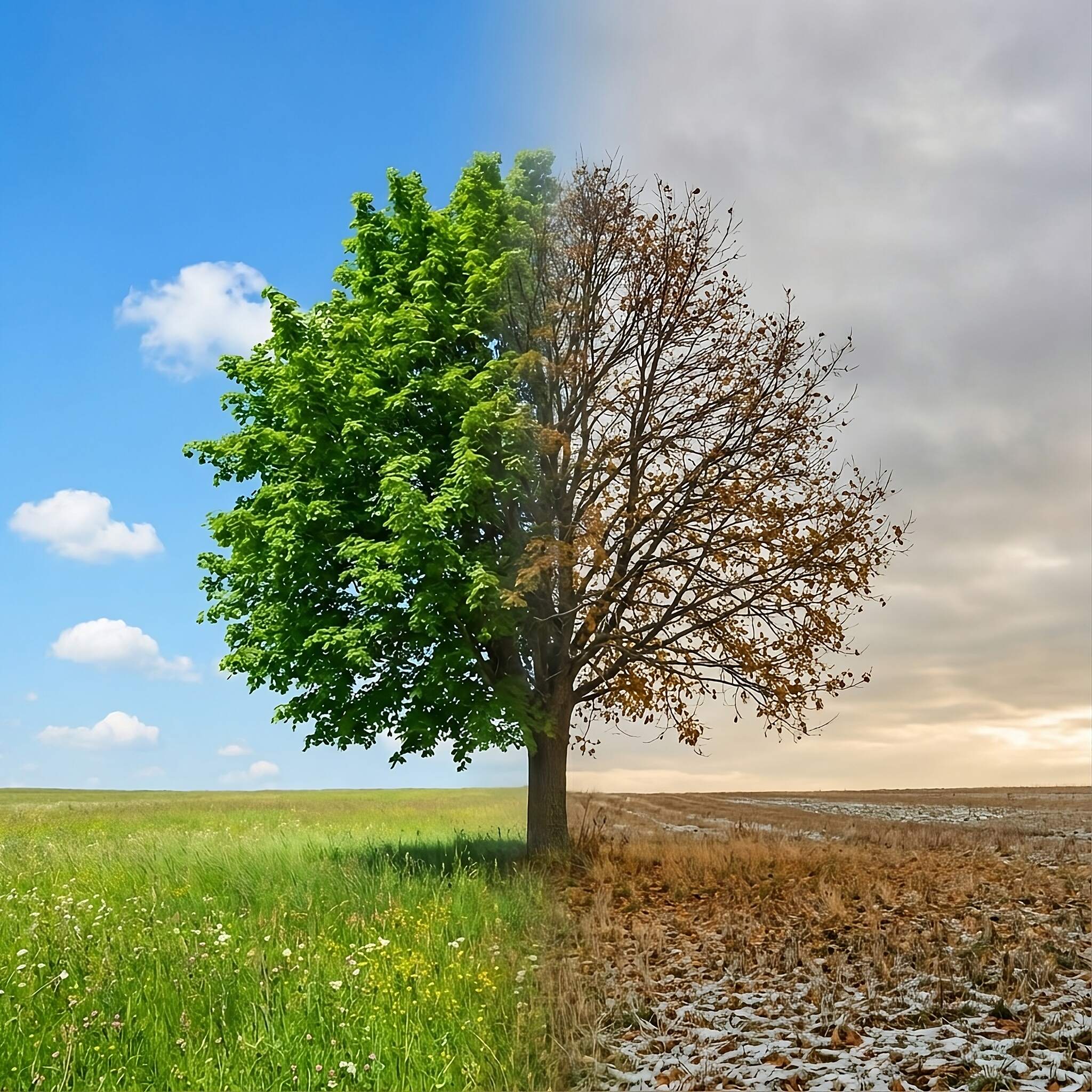
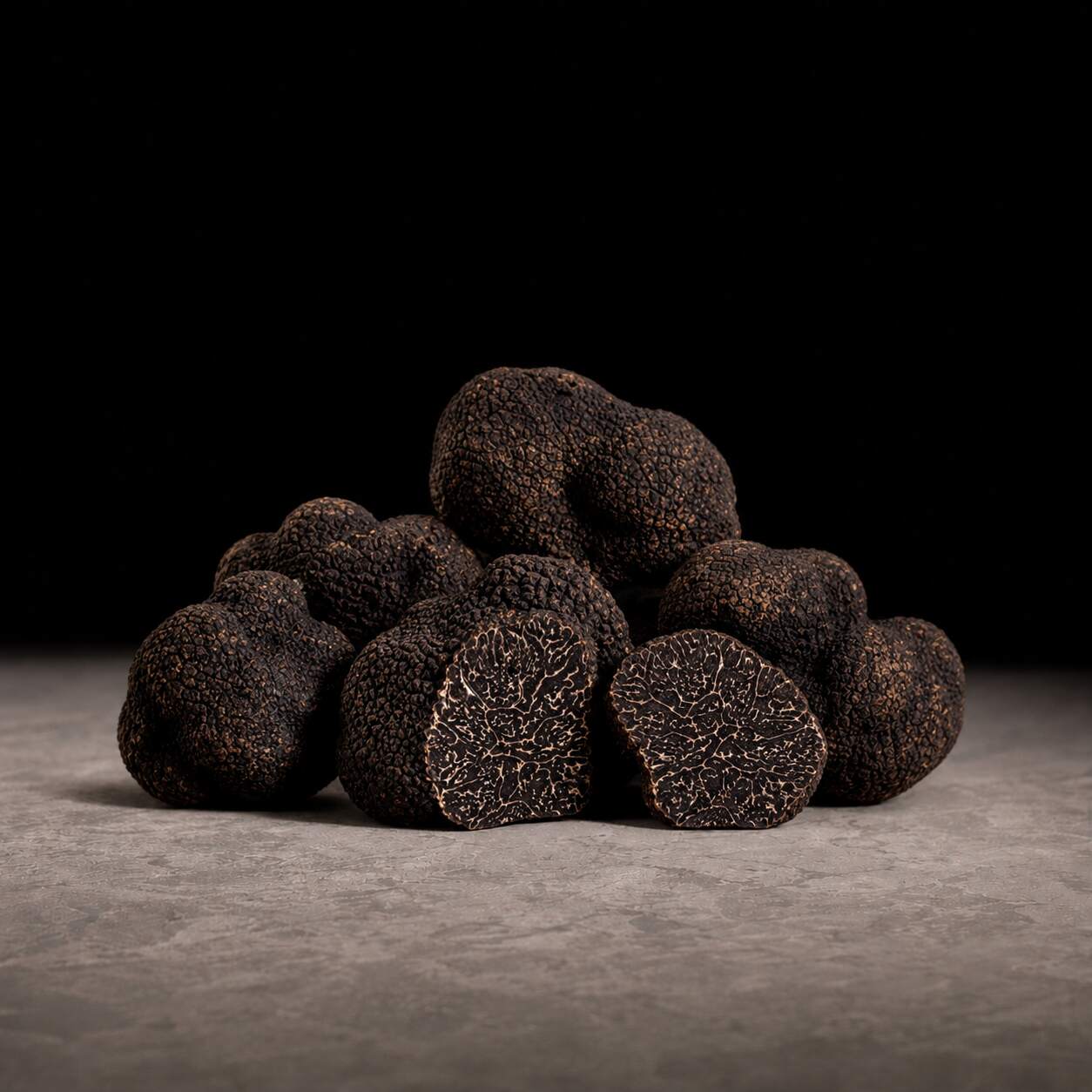
This is the single most important factor, because it is not something you can amend or change once you establish your truffle orchard. The most relevant criteria for climate are the average summer and winter temperatures, and you can find more details below. By average, we mean temperatures averaged between day and night. Your location might have summer daytime temperatures in the 90s or even exceeding 100, but if they are offset by low enough nighttime temperatures such that the average is within the suitable range, then the climate can be suitable. To help you identify locations with climates ideal for the Périgord black truffle (Tuber melanosporum), we’ve developed world's first interactive map showing locations with suitable climates.

It’s not enough to consider just current climate based on historical climate data. Because a truffle orchard can continue to produce truffles for many decades, you’ll want to ensure that your truffle orchard will continue to remain in favorable climate and thrive well into the future, even with climate change. It would be catastrophic if you invested extensively in a truffle orchard only to find out climate change will render it non-productive. We have developed a more detailed version of this interactive map that takes climate change into account. Please contact us and we will be happy to share it with you.

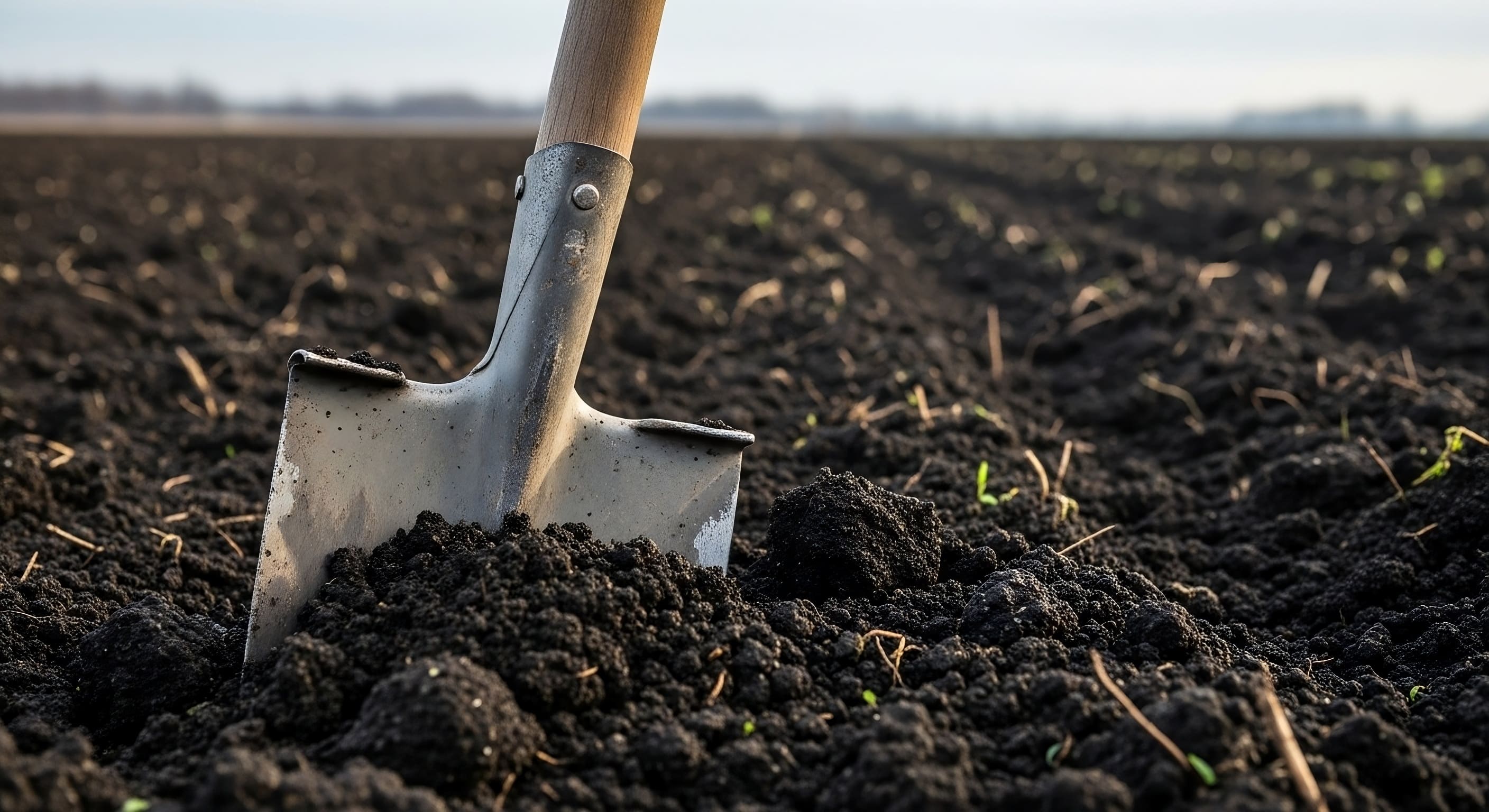
There are three types of soil characteristics relevant for truffles. The first one is the physical property, which is a measure of the soil structure and cannot be easily amended. The second is the chemical property, which includes pH and concentrations of other elements, which are routinely amended. The third (and the most overlooked because there is scant publicly available scientific data on this) is the soil biome (organisms in the soil). We will assess your soil for you to determine suitability, and to guide you through how to amend it to achieve optimal growing conditions for truffles that considers all three critical properties.

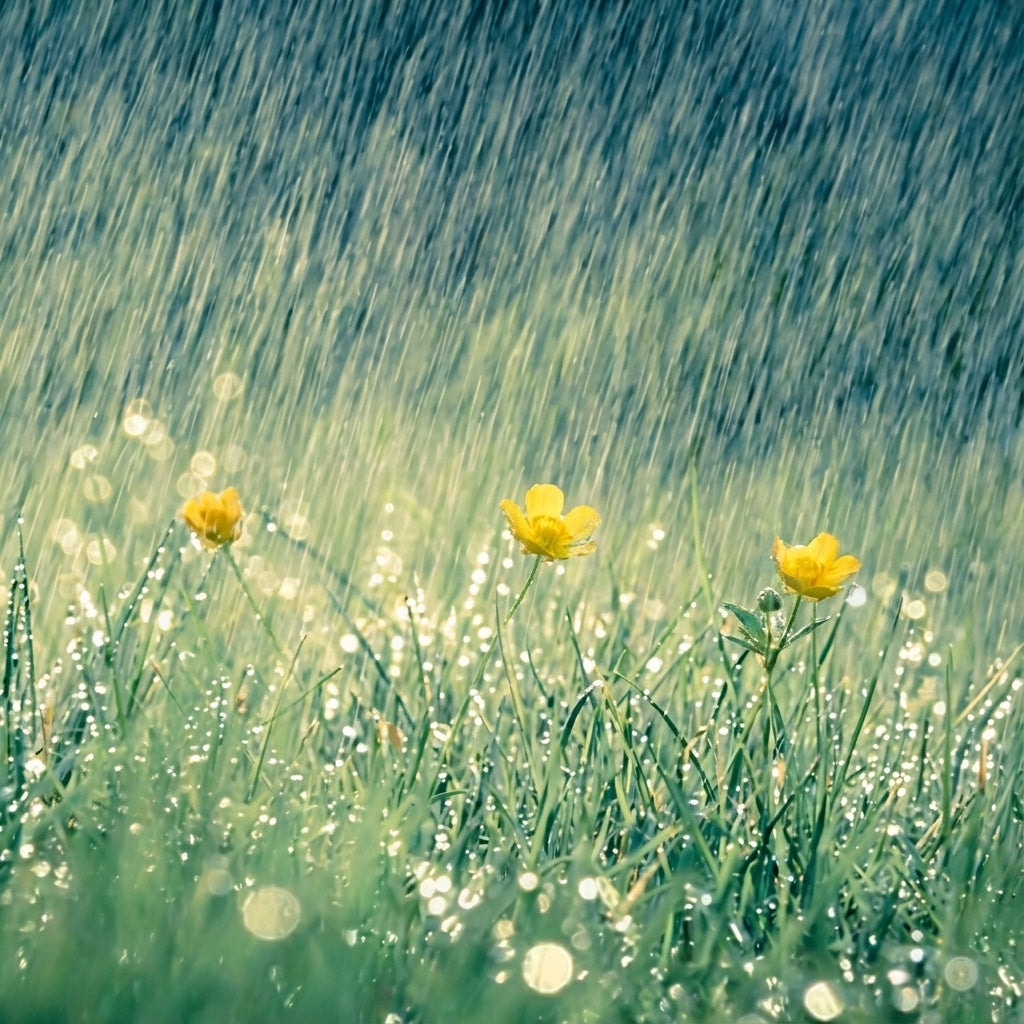
Even though you will have natural rainfall, it is essential that you have access to irrigation water. This is because the correct amount of moisture at the right time and frequency is critical for truffle production, and one needs to supplement natural rainfall with irrigation to ensure optimal harvest.

There are myriad types of lime available, each having different chemical properties (some are detrimental to truffles) and fineness. The correct type and fineness need to be used, in order to bring the soil chemistry to the optimal point for truffles within a reasonable period of time.

Truffle formation and growth require specific patterns and amounts of water, at the right time of the year. Installing the correct irrigation system ensures not only tree survival, but will also result in vibrant growth of the truffle fungus and truffle fruiting, with maximum truffle yield.

This is where many growers face significant challenges. There is no one size fits all. One must tailor management methodologies to specific climate and soil conditions. Without the know-how of optimal ongoing orchard management, the vast majority of growers fail to produce much truffles, if at all.

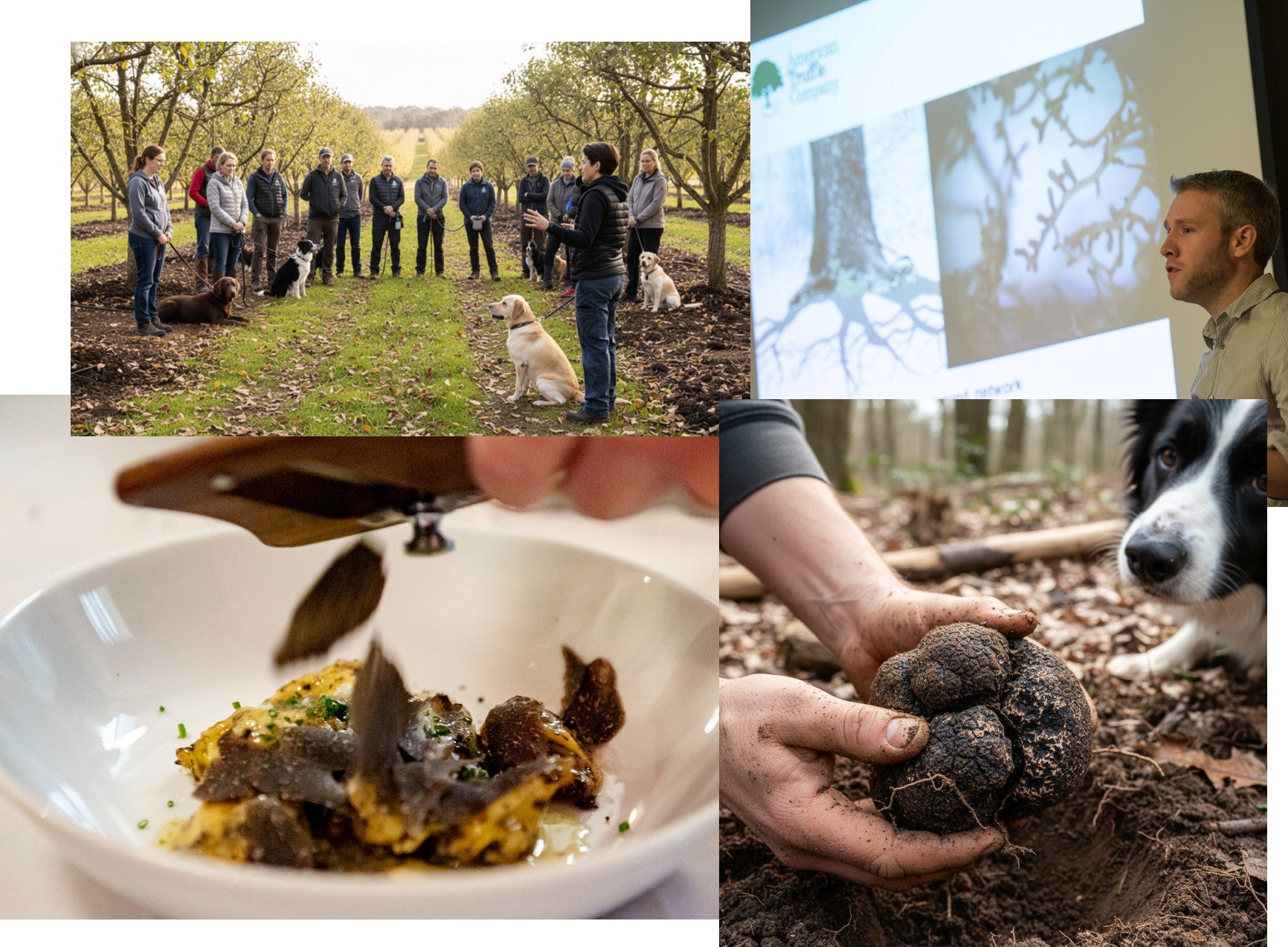
You’ll need to monitor your soil condition and truffle fungal colony health on a regular basis, especially when everything happens underground and you cannot easily see what’s going on, unlike being able to see apples growing on an apple tree. Important elements to monitor include soil chemistry, soil biome activity, tree health and vigor, and mycorrhizal health.

Dogs are often the most overlooked part of growing truffles. Because well-trained truffle dogs are difficult to acquire, and training your own dog to a professional level has many challenges, truffle orchards very often end up leaving money in the ground by leaving truffles undetected. You need to have a viable strategy to have a professionally-trained dog to harvest the maximum amount of mature truffles, and avoid leaving money in the ground.

Many growers don’t think much about or plan for this critical element, when it’s the most important factor in converting your truffles to revenue. How and to whom you distribute will affect whether your truffle endeavor is a profitable one worth doing in the first place.